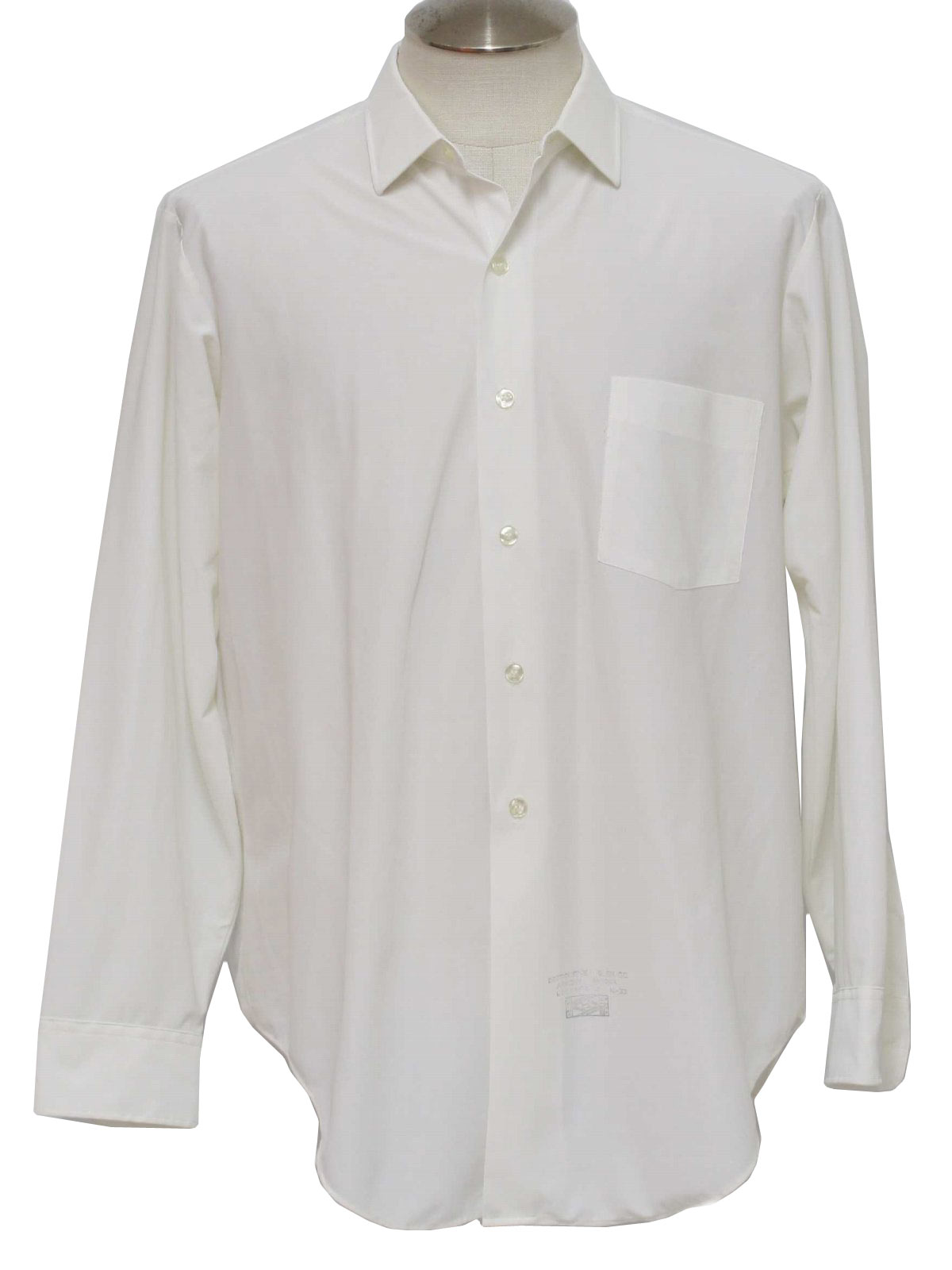
1960 and the New Synthetic Yarns
Many of the fashions of the 1960s existed because of the fabrics. They introduced new fabric properties and when synthetics were mixed with natural fibres there was improved performance in wear. Some had been invented years earlier in the 1930s and 1940s, but it was only in the 60s that huge production plants for synthetic fibres sprang up globally. Meanwhile as man made fibres gained a hold, the Yorkshire woollen industry began to contract at an alarming rate. Job losses were inevitable and yet so often the newer man made yarn companies settled in areas where there was already a body of knowledge and a heritage of spinning, knitting or weaving.
Du-Pont and ICI were the giants of synthetic manufacture producing a wide range of fabrics under trade names relating to Polyamide, Polyesters, Polyurethanes, Polyolefins, and Polyacrylonitriles the polyvinyl derivative. All the fibre bases could be used as bulked or fine yarns dependant on fibre extrusion method and final finishing. The name often related to the country or plant where the fibre was produced for example Enkalon was Irish made nylon whereas Crylor, an acrylic yarn was made in France.
Polyamide is nylon. It came under trade names such as Nylon 6, Celon, Enkalon, Perlon, Bri-Nylon, Cantrece and others. Polyester was known variously as Terylene, Dacron, Terlenka, Trevira, Kodel, Diolen, Tergal and Lavsan. Polyurethane is the generic name of the elastomeric family of stretch fibres like Spandex, Lycra and Spanzelle.
All these man made synthetic fibres began to be used in bras, underwear, swimwear and sportswear. Lycra eventually found its way into fabric mixes to aid crease recovery, wearing ease, fit and stretch. Polyvinyl derivatives produce polyacrylonitriles and this includes Orlon, Acrylic, Crylor, Courtelle and Creslan. Modified acrylics such as Dynel and Teklan were first used to make fake furs and fake hair for wigs in the sixties.
http://www.costume1960-90.gr/text_en.php?id=19